On LBank, traders can take a position on Nvidia without buying its shares. They can follow the chipmaker’s fortunes through a stock-linked instrument inside a platform they already use for crypto.
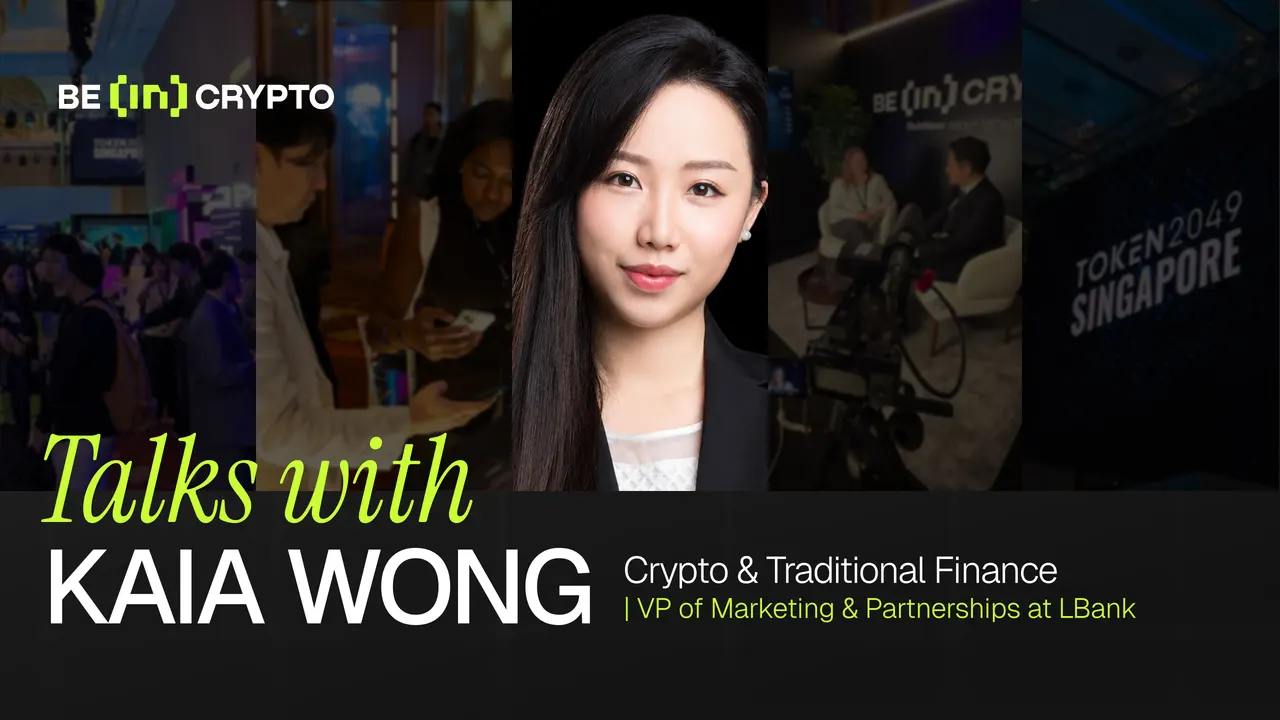
It is one example of how exchanges are broadening their pitch heading into 2027. In an interview with BeInCrypto, Kaia Wong, LBank’s VP of Marketing & Partnerships, described the effort to follow traders into new markets—and keep them coming back once promotional rewards run out.
Why Crypto Traders Are Looking at Wall Street
Kaia says stories about AI and economic policy are drawing customers toward “opportunities outside of crypto.” They want to trade those developments through platforms they already know.
According to Kaia, LBank offers more than 250 trading pairs across stocks and commodities, with peak daily volume for its traditional-finance products exceeding $3 billion.
The wider market is growing, too. Tokenized stocks’ on-chain value stands at roughly $3.17 billion, up 395% over a year. That measures outstanding value, a separate metric from trading volume.
The future of crypto is about more than trading. It's about accessibility, community, and real-world impact. 🌍 LBank's Kaia Wong joins @beincrypto for an exclusive conversation on the evolving crypto landscape and what it takes to build lasting value for users. 🎥 Watch the… pic.twitter.com/LU3iUfIHwH — LBank.com (@LBank_Exchange) October 21, 2026
Buying Nvidia Without Owning Nvidia
What someone actually buys deserves closer attention.
“They own a stock-linked instrument.” That is Kaia’s answer when asked about LBank’s Nvidia product. It provides exposure to the share price without direct ownership of the shares.
Similar products are spreading across several exchanges.
These arrangements let customers express a view on a company’s prospects. A familiar ticker, however, can represent a different investment from the shares a conventional stock investor expects.
Why a Trading Platform Wants a Familiar Face
Those products still need an audience. LBank has sought one through partnerships with cultural brands, including Nobody Sausage and Pudgy Penguins.
Kaia says, “We try to give trading a voice and a face” in a market where many products look similar. Familiar characters can make a platform feel more approachable, she argues.
LBank’s August Pudgy Penguins partnership included a 500,000 USDT campaign. It brought the branding strategy together with a more familiar exchange tactic: incentives to start trading.
What Happens When the Rewards Stop?
Kaia Wong draws a limit around what those incentives can achieve.
Rewards can encourage an initial trade, she says, but “they don’t help with creating long-lasting volume”.
Her argument is that customers return when an exchange offers markets they care about and a dependable trading experience. Adding stock exposure gives someone interested in AI companies another reason to open the same app.
As Kaia puts it, “retention is actually the key to our performance”.
The interview provides no retention figures. Still, the strategy explains why an exchange would keep expanding its menu even after attracting millions of registrations.
A Famous Blockchain Still Needs Token Checks
The search for new markets also takes exchanges into emerging blockchain ecosystems. Robinhood launched its public mainnet in July, and LBank has created a dedicated zone for tokens associated with the network.
Kaia says “we assess every token individually”. She describes checks on project quality and disclosure, alongside scrutiny of holders and available liquidity.
She also makes a useful distinction: Robinhood’s name on the chain does not mean it endorses every token built there. For buyers, the platform hosting an asset and the organization responsible for it can be different.
BeInCrypto Research
Can You Sell at the Price on Your Screen?
For someone buying a newly listed token, the ability to sell matters as much as the entry price.
The available buying orders matter. If there are too few near the displayed price, a sale can execute further down the order book, leaving the seller with less than expected.
Kaia says exchanges should provide “transparent information and also consistent matching rules”.
“Those are the measures that tell us how the market is serving our users beyond the headline trading volume.”
That makes execution part of the broader expansion story. More listings give users more choices; the liquidity behind each one determines how readily they can trade.
What Does ‘100x’ Actually Promise?
LBank’s promotion of “100x gems” raises a related question: how should users interpret exceptional gains?
Kaia describes the phrase as a headline or historical result, “instead of a promise of an average outcome”. She acknowledges that “a lot of tokens don’t go the same path over time”.
Her answer calls for context around early-stage volatility and the difficulty of selling when liquidity changes.
That context matters because a token’s biggest recorded gain says little about what an ordinary customer earned. Their purchase price and eventual exit determine the result.
Who Is the Exchange Being Built For?
The conversation ends with LBank’s eleventh-anniversary theme, “Come as you are”, and the range of people an exchange hopes to serve.
Kaia argues that platforms often serve experienced traders best.
“Our responsibility is to meet users where they are and to help them move forward at their own pace.”
That responsibility grows as trading menus expand. Someone comfortable buying Bitcoin may need a different explanation before taking a position on Nvidia.
Heading into 2027, customers will need those explanations at the point of purchase, especially when a familiar stock ticker represents an unfamiliar contract.
The post Crypto Exchanges Want Your Next Stock Trade in 2027 appeared first on BeInCrypto.