“It definitely makes you wonder truly who is the real monster in the situation.”
Director Yûta Shimotsu is describing events in a new episode of live-action J-horror anthology show Strange: Junji Ito's Tales for Sleepless Nights , but he could be referring to almost any episode.
The award-winning manga artist of the title, whose macabre short works are adapted into disturbing 30-minute bites, has a way of blurring lines between protagonist and antagonist amid his surreal nightmares.
Tales for Sleepless Nights aired its 12-episode first season on TV Tokyo this summer, and now HBO Max is bringing those eerie frights to US audiences. The first two installments “Lovesickness (Part 1 of 3)” and “The Bully” (previously animated for Netflix’s Junji Ito Maniac ) are currently available, but New York Comic Con fans were treated to the US premiere of the episode “Face Thief” based on Ito’s story “The Face Burglar.”
“Face Thief,” which was previously turned into a Japanese TV movie in 2000, follows the new girl in school, Machida (Nanami Yamazaki), who encounters a weirdly clingy classmate named Kamei (Anna Hoshino). After she sees an identical-looking girl in class who claims she is not related to Kamei, Machida learns this changeling’s MO: “She befriends cute girls then steals their faces.” Indeed, Kamei’s face begins shifting during close conversations with Machida. This repulses the new girl at first, but when Kamei scares away some bullies by growing a third eyeball on her cheek, the two start to bond.
We will not spoil the outcome, but the filmmaker turns it into a biting critique of the conformity and peer pressure common in Japanese society. As he told the crowd after the premiere, “We have social pressure that we are supposed to not to be too different from others. Individuality is not very respected.”
Despite Shimotsu’s desire to shape-shift the story by “changing the ending so my live-action version was different,” “Face Thief” still manages to capture the slow burn feel of the original comic published in the pages of Monthly Halloween in 1987, the same year Ito’s famous debut Tomie appeared. That shōjo (for girls) manga magazine’s offshoot Nemuki (“Strange Stories of Sleepless Nights") inspired the new TV omnibus’s title.
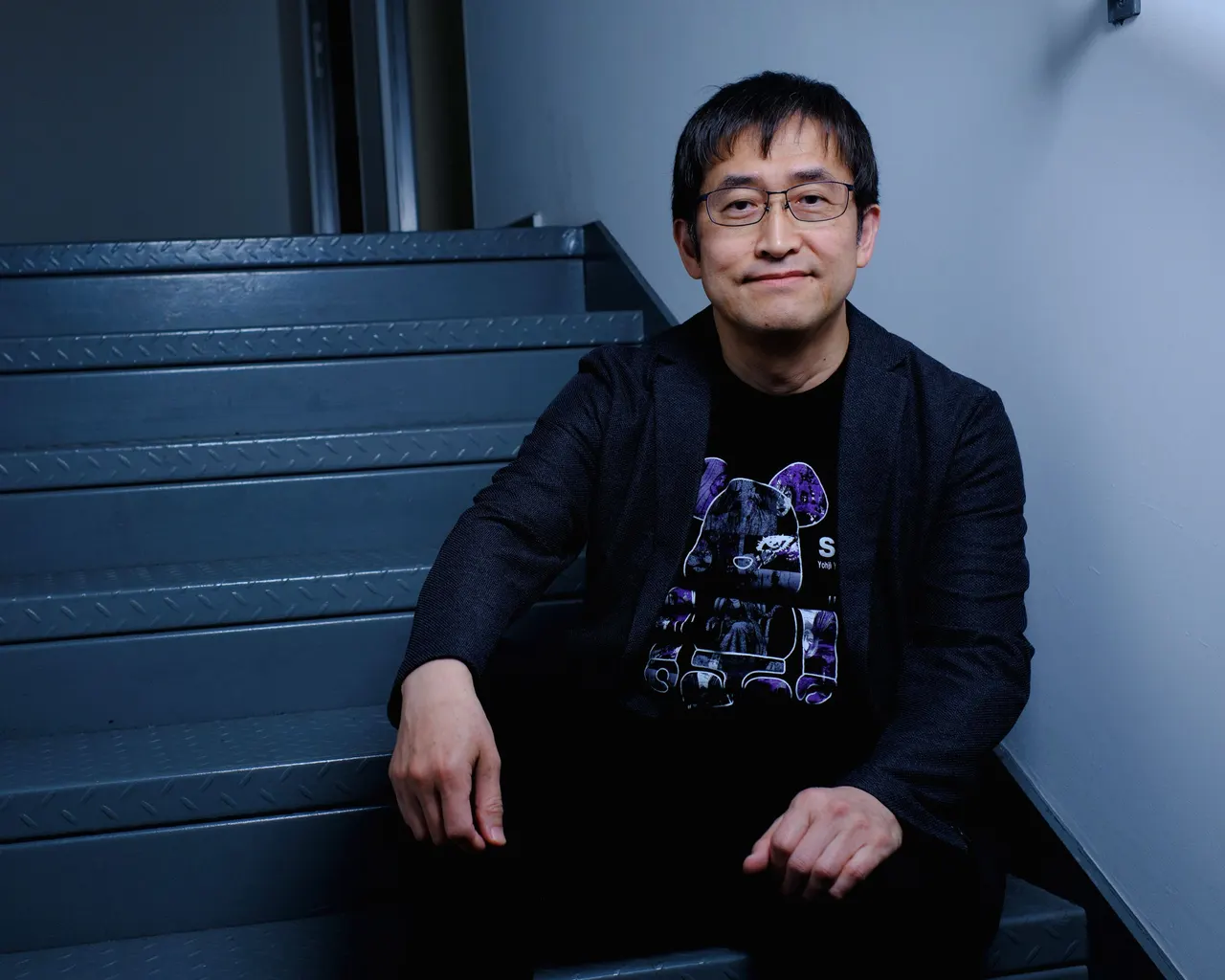
Junji Ito himself, now a bespectacled 63-year-old, appeared before NYCC in a video message where he described “Face Burglar” as an early tale he came up with after several unsuccessful stories submitted to his publishers: “Not a ghost, just a unique condition inspired by chameleon camouflage.” Ito added that the new adaptation for Tales for Sleepless Nights was “brought to life by a fresh team of upcoming actors and directors. Rather than jump scares, it builds a slow creeping dream perfect for horror.”
Another means through which Shimotsu ( Best Wishes to All , Shudder’s New Group ) finds the essence of Ito in all the episodes he helmed is through stillness in the performances and camerawork that evokes the comic book pages. He told a fan that he hopes to push fidelity to the material one step further in season 2 by shooting at least one episode in black-and-white, Ito’s preferred mode of illustration.
When asked by a con attendee which of Ito’s works he would most like to adapt next, the director earned applause by answering Uzumaki , the groundbreaking horror manga which has been brought to the screen several times, including a recent 4-part anime series for Adult Swim. The latter version had a famously rocky production, with quality diving after the first episode to the point that the fourth installment had no director credit. A new live-action version would be incredible—and incredibly strange—in Yûta Shimotsu’s hands.
“I would love to keep creating very bizarre, unique aesthetics like Mr. Ito's work. That's my goal,” said Shimotsu. “I'm developing a Hollywood project, so see you soon.”