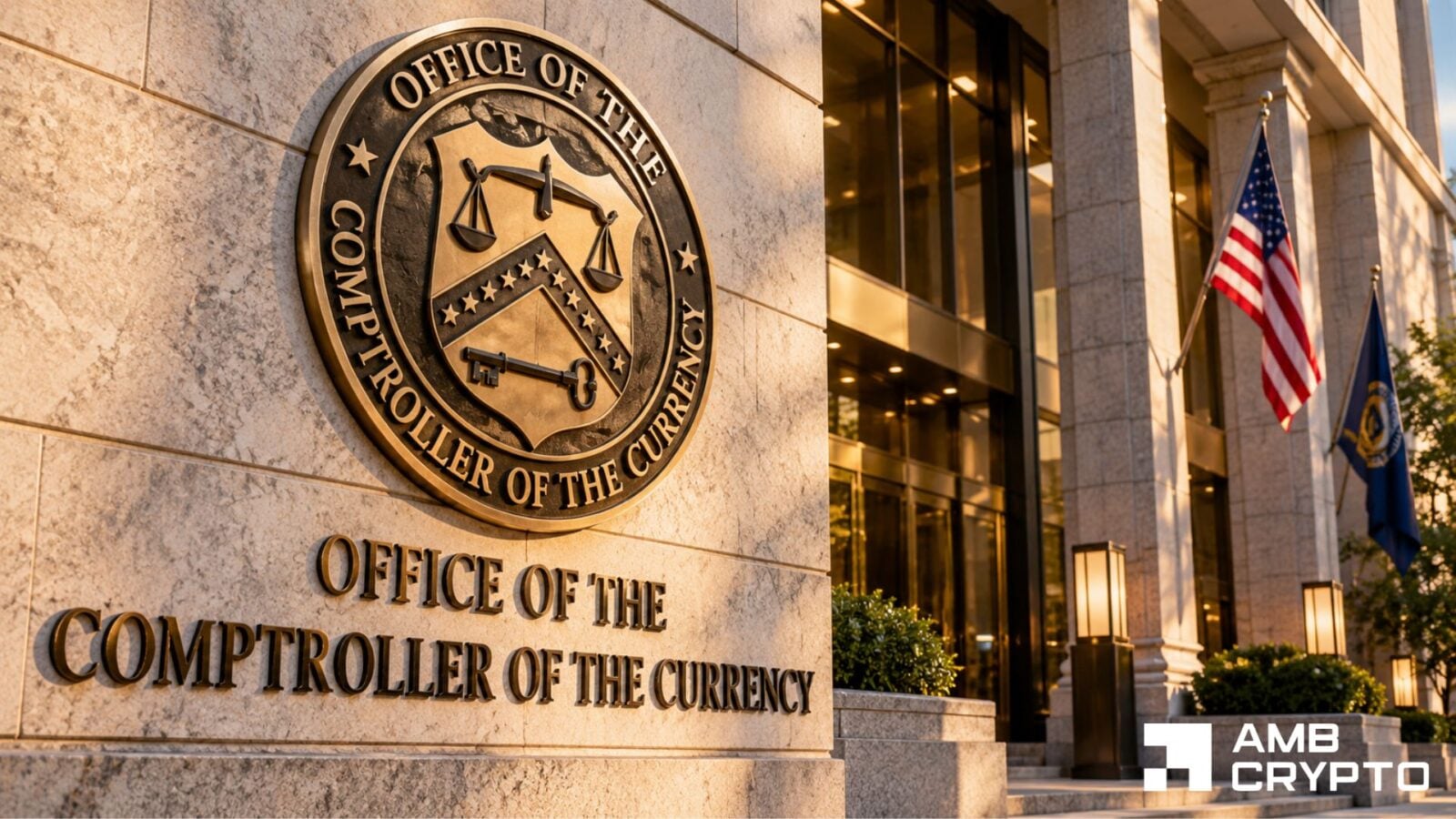
According to an OCC report, the nine largest U.S banks, including JPMorgan Chase, Bank of America (BoA), and Citibank, denied or limited banking access to crypto firms and founders.
The Office of the Comptroller of Currency (OCC) said it reviewed 100,000 debanking complaints across top banks between 2020 and 2025.
Banks had policies that required, encouraged, or otherwise influenced banks to deny or limit access to financial services to Americans because of their political or religious beliefs or affiliations or their lawful business activities.
Ideally, such debanking or restricted access is allowed if there is objective financial risk. However, the 9 banks conducted their restrictions based on political affiliations and reputational considerations, instead of financial risks.
Crypto is just one of the six industries that were affected by the debanking spree. Speaking on the same, Comptroller Jonathan Gould claimed that they will root out the practice.
We are working to end politicized debanking. Access to banking should be based on financial risk, not political beliefs or whether a lawful industry is out of favor.
The debanking was rampant during the Biden era, and most crypto firms and founders decried the targeted restriction.
Although the allegations, also known as Operation Chokepoint 2(OCP), were widely covered across crypto media, they went mainstream after a16z’s Marc Andreessen discussed them publicly.
At the time, the U.S Congress opened a probe into it. Last August, President Donald Trump issued an executive order to banking regulators to investigate the claims.
The OCC investigation has been going on for over a year now, with the released 47-page report confirming that debanking was not merely an allegation.
Nic Carter, Founder of VC firm Castle Island Ventures, echoed the same and noted,
Bombshell report from the OCC out today confirming what we all suspected. We weren’t imagining it. OCP2.0 was real.
For his part, Bitwise CIO Matt Hougan called the debanking policy “disgraceful and dangerous.”
It’s worth noting, however, that banking regulators have tried to ensure that another debanking spree never happens.
In August, for instance, the OCC and FDIC finalized a rule to define “unsafe practices” and close a loophole that banks leveraged to arbitrarily enforce debanking. According to the regulators, the move would return banks to “risk-based supervision” in an effort to unwind Operation ChokePoint 2.0.
So far, crypto firms have gained entry into banking systems. Some, such as Ripple and Circle, have been granted trust bank charter licenses to expand their stablecoin and crypto custody operations.
However, banks and Senate Democrats are pushing against the trend, warning of financial stability risks. In fact, one of the banking groups sued the OCC over the trust bank charter approvals.
With Democrats expected to regain control of Congress after the November midterms, it’s unclear whether the aggressive policy against crypto will return as well.