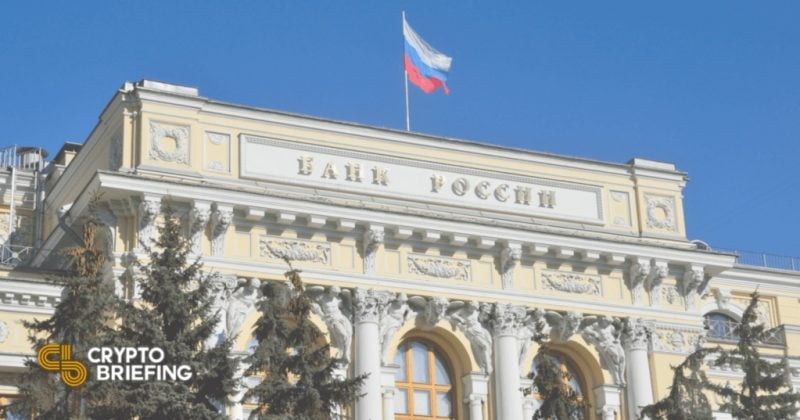
The Bank of Russia says individuals cannot move digital currency from regulated accounts to non-custodial wallets, and Sberbank won approval to run crypto exchange services on the same day
Russia has opened the front door to crypto and locked the back one. On October 15, 2026, the Bank of Russia said individuals are prohibited from moving digital currency out of regulated accounts and into non-custodial wallets.
Buy Bitcoin through a licensed platform, and that Bitcoin stays inside the licensed system. Withdrawing it to a wallet only you control is off the table.
The timing was hard to miss. On the same day, the central bank authorized Sberbank, the country’s largest bank, to offer crypto exchange services. Russians gain an official place to buy crypto just as they lose the right to take it home.
The central bank framed the move as an official clarification, not a new rule. It rests on Part 9 of Article 31 of Federal Law No. 282-FZ, the statute behind Russia’s new crypto regime.
That law was signed in August 2026 and took effect on September 1, 2026. It legalized crypto trading and custody, but only through regulated entities. President Vladimir Putin signed the framework, and the October guidance spells out what it means for wallet withdrawals.
The clarification also restated the broader timeline. Direct peer-to-peer transactions, where two people trade crypto without an intermediary, remain allowed until July 1, 2027. After that date, every digital currency transaction must run through a licensed intermediary.
Daily. Free. Join 34,000+ readers across crypto, finance, and policy.
Sberbank’s approval gives the new regime its first major player. The bank is now among the few institutions cleared to operate under the new rules.
The menu will be short. Only assets that meet high liquidity standards, such as Bitcoin, can trade on these licensed platforms.
The research behind this report calls the clarification a significant tightening. It discourages self-custody and puts the central bank firmly in charge of the crypto market.
The overall framework reads like a trade. Russia now offers a legal path for buying and holding crypto. In return, users accept spending caps, a payments ban, and a near-total dependence on licensed intermediaries.
With withdrawals to private wallets banned, users of regulated platforms will have limited options for controlling their own assets. Their coins depend on the licensed intermediary holding them.
The research also notes that trading volumes could decline once the peer-to-peer window closes in 2027. Until then, direct trades offer a parallel channel. After July 1, 2027, that channel is meant to disappear, and activity must flow through licensed platforms with their annual purchase limits.
DeFi users face the sharpest change. Decentralized finance, the world of lending, trading, and yield apps that run on blockchains without middlemen, generally requires a self-custody wallet. Blocking transfers from regulated accounts to those wallets cuts the link between Russia’s licensed market and that ecosystem.
Several things are worth tracking from here. First, whether more institutions follow Sberbank in winning authorization, which would determine how competitive the licensed market becomes. Second, how the July 1, 2027 peer-to-peer deadline plays out in practice. Third, how Russian users respond to losing self-custody from regulated platforms.
For now, the Bank of Russia has made its position plain. Crypto is welcome in Russia, as long as it stays where the regulator can watch it.