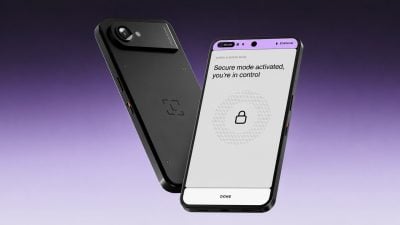
The new Ledger Atom combines Android apps with hardware wallet security as the company responds to an attack involving hidden chips implanted in its devices.
Ledger has unveiled Atom, a new Android based device designed to combine cryptocurrency storage, everyday applications and secure transaction approvals within a single system.
The device, introduced Thursday at the company’s Op3n conference in Paris, features a 6.77 inch OLED display and runs Android alongside Ledger’s proprietary operating system on a separate secure chip.
The Founders Edition is available for reservation at $849 with a refundable $100 deposit. Deliveries are expected in 2027, according to the company.
Unlike Ledger’s existing hardware wallets, Atom allows users to run Android applications while keeping sensitive operations isolated from the main operating system.
The device uses separate operating environments for everyday applications and secure activities, including cryptocurrency transactions, identity verification and approvals for AI agents.
Users can review and authorize transactions through a protected screen that ordinary Android applications cannot control. Atom also includes a physical switch to disable its camera and microphone.
Additionally, Ledger has partnered with Solana Mobile to bring its Seeker application to Atom, giving users access to the Solana ecosystem through an integrated wallet and application store.
Ledger is also developing integrations with AI agents, allowing users to approve sensitive operations directly on the device rather than relying entirely on software based authorization.
Daily. Free. Join 34,000+ readers across crypto, finance, and policy.
The company expects Atom to begin shipping in 2027, with broader availability following the initial Founders Edition.
The announcement comes days after Ledger confirmed a physical supply chain attack involving hardware wallets sold through CryptoBilis, a reseller operating in Southeast Asia.
According to Ledger’s investigation, attackers implanted unauthorized electronic components inside genuine devices before they reached customers.
The hidden chips intercepted users’ 24 word recovery phrases as they appeared on the device screens during setup. The stolen information was then transmitted to attackers over cellular networks using embedded eSIM technology.
Blockchain investigators have linked more than $93 million in suspected cryptocurrency losses to the incident, although Ledger has not independently confirmed the total amount stolen.
Ledger said the attack did not exploit vulnerabilities in its Secure Element chips, operating system or internal servers. Instead, attackers physically modified devices after they left the company’s control.
The company subsequently asked authorized resellers and distributors in Southeast Asia and Hong Kong to suspend sales while investigations continued.
In an October 15 statement, Ledger said its security team had examined the malicious components and was working with law enforcement to investigate the attack.
The company has also introduced additional security measures for Atom, including protections designed to detect physical tampering and prevent the type of screen interception used in the recent exploit.