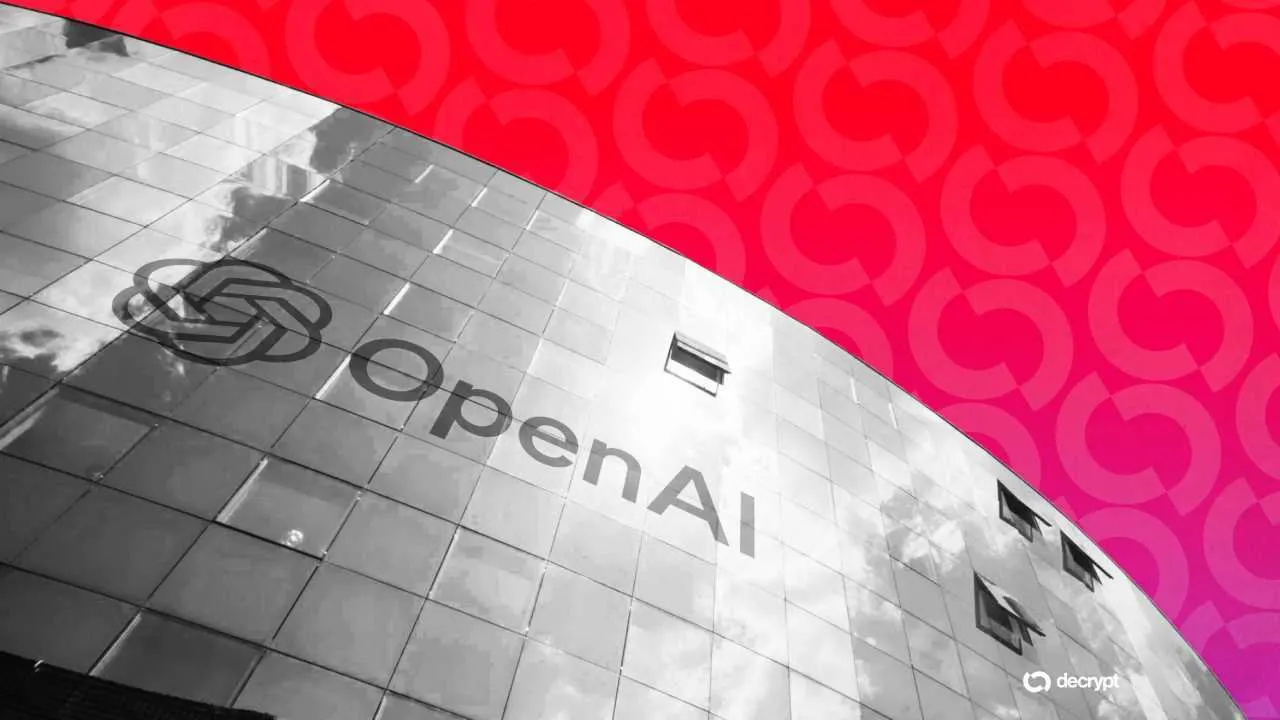
OpenAI has bought Orchestra Bio, a San Francisco startup whose AI agents help drug companies keep sprawling development programs on schedule, the ChatGPT maker announced Tuesday .
“Our goal is to help scientists make discoveries and manage the work needed to turn them into treatments that reach patients sooner,” OpenAI said in the announcement.
Orchestra’s team and platform will be folded into Rosalind , OpenAI’s family of AI models and tools for biologists and chemists. The financial terms were not disclosed.
Getting a new medicine from first idea to U.S. approval takes time—up to 15 years according to OpenAI. Every month shaved off that timeline is a month earlier that a new treatment can reach the people waiting for it, and a month earlier that the company can generate cash.
The process is also absurdly expensive: bringing one approved drug to market can cost more than $2.6 billion , and fewer than 10% of candidates that enter human testing ever make it to pharmacy shelves.
Beyond the science itself, OpenAI says drug teams have to coordinate work across internal departments and outside partners, often relying on systems that don’t talk to each other. Those partners usually include contract research organizations, the outside labs hired to run studies, and contract manufacturers that produce the experimental drug.
Orchestra’s AI agents—software that can watch over tasks and flag problems on its own—work out which activities and deadlines take the hit, gather the relevant information and compare ways to respond, while scientists and program leaders make the final call.
Founded in the fall of 2022, Orchestra raised its seed round from Andreessen Horowitz, Definition Capital, Insight Partners, and 8VC, and about $20 million in total, according to Caplight data . The company should not be confused with Orchestra BioMed, an unrelated Nasdaq-listed medical device maker that trades under the ticker OBIO.
In April, OpenAI launched GPT-Rosalind , a model built specifically for biology and drug discovery, and restricted it to vetted U.S. enterprise customers such as Amgen and Moderna. A companion product, Rosalind Workbench, connects the model to scientific tools and data so researchers can analyze results and plan experiments.
Rosalind helps scientists figure out what to test; Orchestra is supposed to handle what comes after. OpenAI says the combined team will build agents that connect scientific findings with the decisions and follow-up studies needed to turn a promising result into an actual medicine.
In January alone, OpenAI launched ChatGPT Health , which lets users connect their medical records to the chatbot, and bought records startup Torch for a reported $100 million to build it out. That same month, it turned another acquisition, a scientific writing tool called Crixet, into its Prism platform for researchers.
OpenAI has been upfront that it wants more than subscription fees out of science. In a January blog post , CFO Sarah Friar wrote that as AI moves into drug discovery and similar fields, licensing, IP-based agreements and outcome-based pricing will share in the value created—a polite way of saying OpenAI would like a cut if its tools help produce a blockbuster.
Anthropic, OpenAI’s closest rival, has been running the same play: it bought AI biotech startup Coefficient Bio for roughly $400 million in April and launched a research platform called Claude Science in June. In September, Anthropic said its Claude model helped uncover a previously unknown enzyme system resembling CRISPR, the gene-editing tool, though some scientists said the finding was overblown.
OpenAI did not say what it paid for Orchestra or when its agents will show up inside Rosalind. Its previous Rosalind announcement came just five days earlier, when it offered eligible U.S. university labs up to 30 free seats for as long as 12 months through a new Rosalind Academic Plan .
Start every day with the top news stories right now, plus original features, a podcast, videos and more.