NVIDIA official newsroom (nvidianews.nvidia.com/bios/jensen-huang)
Huang's keynote at the Tempodrom puts robotics, factories and sovereign AI at the center of Nvidia's European pitch
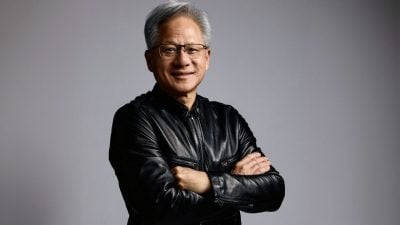
Jensen Huang is on stage in Berlin, delivering the keynote at Nvidia ’s GTC Berlin event.
The message is aimed squarely at Europe. AI is leaving the chatbot window and heading for the factory floor, and Nvidia wants the continent to build the infrastructure for it at home.
GTC Berlin 2026 runs from October 20 to 22. Huang’s keynote is set for October 21 at the Tempodrom, scheduled from 11 a.m. to 1 p.m. CEST.
Before Huang appears, there is a warm-up act. A pregame show runs from 9 to 11 a.m. CEST, with conversations featuring leaders from companies including Mistral AI and Deutsche Telekom.
The pregame theme is how Europe can scale AI across the continent and keep it secure while doing so.
Beyond the keynote, the conference packs in more than 100 sessions. Topics span agentic AI, meaning software that can take actions on its own, through to the AI infrastructure that powers it.
Attendees also get hands-on workshops and certification opportunities.
The core idea in Huang’s address is physical AI. Strip away the branding and it means artificial intelligence that does not just live inside software, but interacts with the real world.
Daily. Free. Join 34,000+ readers across crypto, finance, and policy.
That is why the event’s focus areas include robotics, manufacturing and automotive applications.
Huang’s framing is that modern companies will need to run two kinds of factories. One is physical, producing goods. The other is digital, producing intelligence.
The discussion ahead of the event pushed this further: every company, the argument goes, should have both.
Security sits right next to that pitch. The conference emphasizes sovereign AI and what it calls enterprise-level secure intelligence.
Sovereign AI refers to a country or region building and controlling its own AI capabilities rather than relying entirely on outside providers.
GTC Berlin is one stop in Nvidia’s wider 2026 GTC series. The series as a whole centers on AI factories and accelerated computing.
The Berlin edition builds on themes Nvidia has been pushing for some time: industrial digitalization and strategic partnerships in AI.
The research framing around the event describes it as reflecting Europe’s growing commitment to building autonomous AI infrastructure.
For European policymakers, the sovereign AI angle is the headline item. If the continent wants AI it controls, someone still has to provide the compute, and Nvidia is making its case to be that someone.
What to watch next: whether the partnerships showcased in Berlin, including those involving Mistral AI and Deutsche Telekom, translate into concrete infrastructure projects. Also worth tracking is how quickly manufacturers and automakers move from pilot programs to full deployment of physical AI systems.
The more than 100 sessions running through October 22 will offer a clearer picture of where demand actually sits.